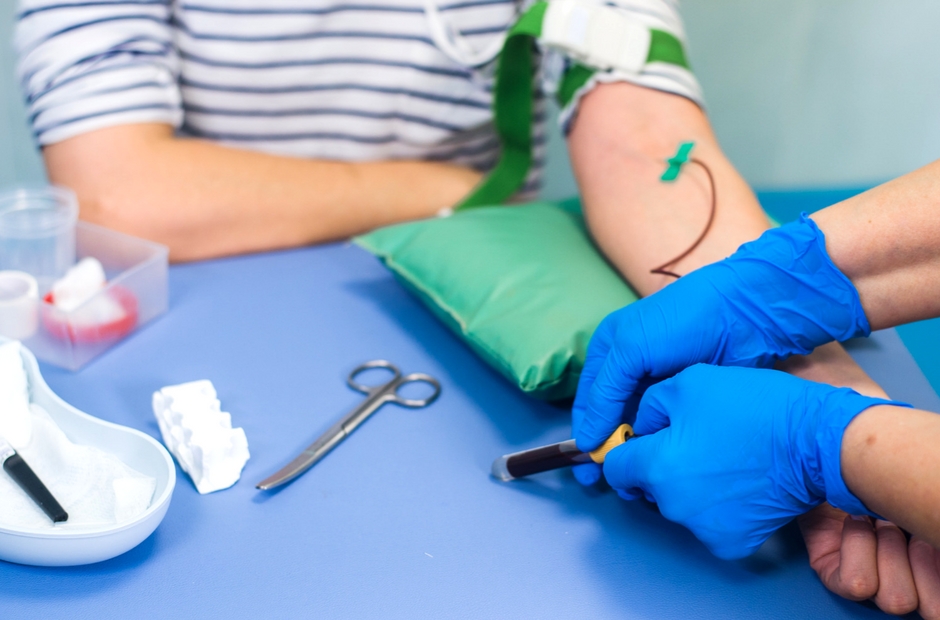
Complete Guide to Training as a Phlebotomist: Skills, Certification, and Career Tips
Whether you’re starting a new career or looking to specialize in healthcare support, becoming a phlebotomist is a reliable path with strong demand.This comprehensive guide covers the essential skills you’ll master, how to earn certification, training program options, and practical career tips to help you stand out in a competitive field. We’ll break down everything you need to know to begin a successful phlebotomy journey.
introduction: Why Phlebotomy Matters and How to Start
Phlebotomy is the backbone of diagnostic testing in hospitals, clinics, urgent care centers, and private labs. A skilled phlebotomist draws blood safely, with patient comfort and specimen integrity in mind.The role frequently enough requires a mix of technical precision, empathy, and strong adherence to safety protocols.If you enjoy science, working with people, and solving real-world health problems, phlebotomy offers a clear entry path with opportunities to advance.
Core Skills You’ll Learn (and Practice) as a Phlebotomist
In a training program,you’ll gain both hands-on technique and foundational knowledge.Here are the core skills that employers look for:
- Venipuncture and capillary blood collection techniques
- Proper tube collection order and labeling to prevent pre-analytical errors
- Aseptic technique, PPE use, and infection control
- Patient communication, consent, and comfort strategies
- Specimen handling, processing, and transportation
- Safety protocols for hazardous materials and sharps
- Urine and specimen collection (where applicable)
- Quality control and error prevention (identification, labeling, and tracking)
- Basic anatomy relevant to venous access (veins, arteries, and common sites)
- Documentation, electronic health records (EHR) basics, and chain of custody
- Emergency procedures and CPR/First Aid basics (often part of certification)
certification: Why It Matters and How to Choose
Certification demonstrates your knowledge and commitment to safe, competent practice. It’s often preferred by employers and may be required for certain roles or settings. Certification options vary by country and region, but here are the most common in many markets.
Typical certification Options
- ASCP phlebotomy Technician (PP) – American Society for clinical Pathology
- NHA Phlebotomy Technician – National Healthcareers Association
- AMT Phlebotomy Technician – American Medical Technologists
- IBMS Certification (where available) – International Federation
- State-specific licensure or registry (varies by location)
Key considerations when choosing a certification:
- Eligibility requirements (education, prior healthcare experience, age)
- Exam format and cost
- Recertification requirements and renewal timelines
- Employer preferences in your area or target facilities
- accessibility of testing centers or online options
Certification Pathways: A Speedy Overview
- prep and exam-based certifications for entry-level phlebotomists
- Advanced or specialty certifications (e.g., neonatal or forensic phlebotomy) in some regions
- Recertification every 2-5 years, depending on certifying body and requirements
Below is a quick comparative snapshot to help you compare options. The table uses WordPress-pleasant classes for easy integration into your site.
| Certification | Issuing body | Typical Cost | Exam Length | Recertification |
|---|---|---|---|---|
| Phlebotomy Technician | ASCP | $125-$300 (prep + fees) | 135-150 questions, ~2.5-3 hours | Every 1-3 years (varies) |
| Phlebotomy technician | NHA | $129-$190 | 100-120 questions, ~1.5-2 hours | Every 2 years |
| Phlebotomy Technician | AMT | $95-$150 | Pre-test assessment + 120 questions | Every 3-5 years |
Training Programs: How to choose and what to expect
Training programs vary by format, duration, and cost. The right choice depends on your schedule, budget, and career goals.Here are common options:
- Community college diploma programs (frequently enough 4-12 months)
- Vocational or technical schools offering accelerated coursework (2-6 months)
- Hospital-based certificate programs (practice-focused, may include clinical rotation)
- Online or hybrid courses with in-person labs and supervised practice
What to look for when evaluating programs:
- Accreditation and program outcomes (pass rates, job placement)
- Hands-on lab time and clinical rotation opportunities
- Small class sizes for individualized instruction
- Access to modern phlebotomy equipment and simulated practice
- Support for certification exam preparation and resume help
What to Expect in a Phlebotomy Training Program
A typical program combines classroom learning with practical skills labs and supervised clinical practice. Here’s a typical progression:
- Foundational science and anatomy for venipuncture
- Safety,infection control,and patient communication
- Phlebotomy techniques: venipuncture,dermal puncture,and specimen handling
- Labeling,packaging,and transporting specimens
- Quality assurance,troubleshooting,and error prevention
- Clinical rotations in hospital laboratories or outpatient clinics
Preparation,Practice,and Exam Readiness
Preparing for certification requires a mix of knowledge review and hands-on practice. Here are practical tips to maximize your success:
- Attend all hands-on practice sessions, focusing on technique and patient comfort
- Practice venipuncture on training arms or simulations before working with real patients
- Memorize the order of draw and proper tube types for common tests
- Review safety protocols, PPE usage, and waste disposal rules
- Take advantage of practice exams and study guides offered by the certifying bodies
- Develop good documentation habits early (lab requisitions, labeling, and chain of custody)
practical Tips for Success in the lab and Clinic
In addition to technical skills, soft skills matter. Here are practical tips to excel:
- Build rapport with patients-introduce yourself, explain the procedure, and reassure anxious individuals
- Practice good ergonomics to prevent repetitive strain injuries (adjust chair height, position tubes within easy reach)
- Organize your workstation to minimize errors (color-coded labels, checklist for each patient)
- Ask for feedback from supervisors and seek additional hands-on practice if needed
- Keep current with safety standards (OSHA, OSHA Bloodborne Pathogens standard)
Workplace Readiness: Safety, Compliance, and Patient Care
The clinical habitat requires strict adherence to regulations and best practices. Key areas include:
- Infection control: hand hygiene, PPE correctly worn, and proper needle safety
- Specimen integrity: correct labeling, time-stamping, and timely transport
- HIPAA and patient privacy: handling of sensitive information with discretion
- Emergency readiness: recognizing complications and knowing when to escalate
- Team collaboration: communicating with nurses, lab technologists, and doctors
Career Path, Growth, and salary Outlook
Phlebotomy offers a clear entry path with multiple avenues for advancement. Initial roles primarily involve specimen collection, but many professionals grow into senior positions, leadership roles, or specialized areas.
- Entry-level Phlebotomist: focus on accurate blood collection and patient comfort
- Senior Phlebotomist: handles complex draws, mentoring new staff, quality control
- Lead Phlebotomist or Supervisor: oversees daily operations, scheduling, compliance
- specimen Processing or Lab Support Roles: postings in processing, accessioning
- education and Training Roles: teaching phlebotomy skills to new hires
Salary is influenced by location, facility type, and experience. Here are approximate ranges to set expectations:
| Role | Typical Salary Range (annual) | Notes |
|---|---|---|
| Phlebotomist (entry-level) | $30,000 – $40,000 | Depends on region and facility |
| Senior Phlebotomist | $40,000 – $55,000 | Experience and certifications boost earnings |
| Lead Phlebotomist / Supervisor | $50,000 – $65,000 | Includes supervisory responsibilities |
Case Studies: Real-World Scenarios
These concise case studies illustrate common experiences and how training translates into practice.
Case Study 1: Hospital Lab Rotation Success
A 22-year-old student completed a 6-month phlebotomy certificate with a hospital-based rotation. Through daily practice, they improved venipuncture success rates from 70% to 95% within two months, reduced specimen labeling errors by implementing a double-check checklist, and received commendations from a supervising technologist for calm, patient-centered care during pediatric draws.
Case Study 2: Community Clinic focus on Safety
A mid-career medical assistant transitioning to phlebotomy honed safe blood collection during a 4-month program with emphasis on infection control. They built a routine for PPE checks, properly disposing of sharps, and documenting every draw in the EHR. the clinic highlighted their initiative when expanding phlebotomy services to a mobile outreach program.
First-Hand Experience: what It Feels Like to Train as a Phlebotomist
Many students describe the training journey as a mix of skill mastery and personal growth. expect a learning curve, with moments of frustration when a difficult draw succeeds after patient-friendly communication. Most students gain confidence as they progress through simulated practice, rigorous Safety and Compliance modules, and real-world clinical rotations. The sense of purpose-knowing your work directly supports diagnoses and patient care-helps keep motivation high.
benefits and Practical Tips for Phlebotomy Training
Beyond the clinical skills, phlebotomy training offers several personal and professional benefits. here are practical tips to maximize your experience:
- Benefit: Clear entry path into healthcare with steady demand
- Tip: Build a study schedule that fits your lifestyle and stick to it
- Benefit: hands-on practice improves confidence and employability
- Tip: Seek opportunities for extra practice during clinical rotations
- Benefit: Flexible career options across hospital, clinic, and lab settings
- Tip: Obtain CPR/First Aid certification to enhance employability
Conclusion: Your Ready-to-Start Plan
Embarking on a phlebotomy career starts with choosing the right training program, mastering core skills, and pursuing a certification that aligns with your goals.whether you aim to work in a bustling hospital laboratory, a community clinic, or a private lab, your training will equip you with practical techniques, safety discipline, and patient-centered care that employers value. Stay curious,practice diligently,and remain committed to ongoing learning-continuing education and recertification will keep you competitive as the field evolves. If you’re ready to begin, start by researching local programs, comparing certification options, and mapping out a 6- to 12-month plan to reach your first phlebotomy role.
FAQs
- Q: Do I need certification to work as a phlebotomist? A: It depends on location and employer, but certification is highly recommended and frequently enough preferred or required.
- Q: How long does training typically take? A: Many programs run 4-12 months, depending on format and clinical rotations.
- Q: What is the most important skill for a phlebotomist? A: Safe venipuncture technique combined with excellent patient communication.
- Q: How can I advance in phlebotomy? A: Seek senior roles, pursue leadership tracks, or specialize in areas such as pediatric or neonatal phlebotomy, and continue education.