Complete Guide: Introduction to Phlebotomy Techniques & Careers
welcome to your comprehensive resource on phlebotomy. Whether you’re exploring a new career path, looking to strengthen your clinical skills, or seeking practical guidance for healthcare environments, this guide covers the essentials of phlebotomy techniques and the many career opportunities within this vital field. We’ll break down common blood collection methods, safety practices, training pathways, certifications, and real-world considerations for aspiring phlebotomists.
What is Phlebotomy and why It Matters
Phlebotomy is the branch of healthcare devoted to drawing blood for laboratory testing, donor blood collection, or other diagnostic procedures. Though the term sounds technical, the core aim is simple: obtain high-quality specimens safely and compassionately, so clinicians can diagnose and treat patients accurately. Phlebotomists are frequently enough the first point of contact for patients in clinics, hospitals, and diagnostic laboratories. Their expertise in technique and patient interaction helps reduce errors and improve overall test turnaround times.
Core Phlebotomy Techniques: Venipuncture and Capillary Puncture
In clinical practice, several techniques are routinely used to collect blood. Here’s a high-level overview of the two most common methods and when they are typically used.
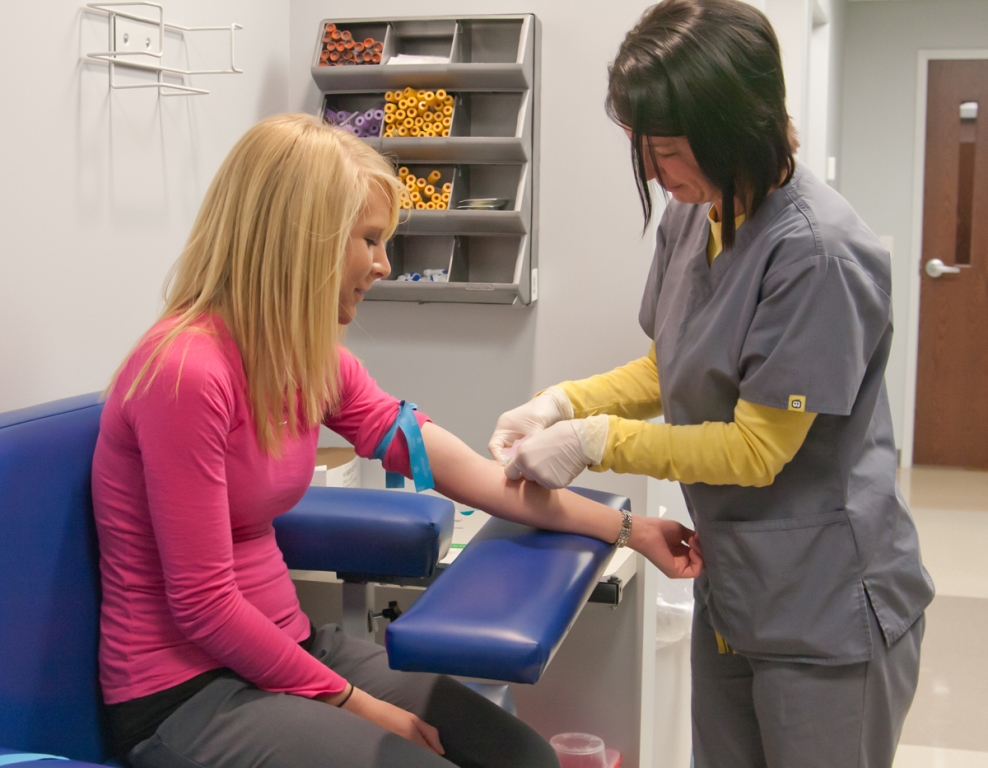
Venipuncture (Venous Blood Collection)
- What it is: Drawing blood from a vein, usually in the arm, for laboratory analysis.
- When it’s used: Most routine tests, comprehensive panels, and many diagnostic workflows require venipuncture due to larger sample volumes and standardized specimen handling.
- Key considerations: Patient identification, vein selection, site preparation, sample labeling, proper collection tubes, and strict adherence to safety protocols.
- Aim: Obtain a clean, contained sample with minimal hemolysis or hemoconcentration to ensure accurate test results.
Capillary Puncture (Fingerstick or heelstick)
- What it is: Collecting blood via a small puncture in the capillary bed, typically on the fingertip (adult/older children) or heel (infants).
- When it’s used: Point-of-care testing, glucose monitoring, or when venipuncture is tough or not yet appropriate for the patient population.
- Limitations: Smaller sample volumes and the potential for higher tissue fluid contamination or microclots; technique matters for preserving sample integrity.
- Aim: Obtain sufficient capillary blood with minimal tissue fluid and proper collection into appropriate microcollection tubes.
Other Considerations: Arterial Blood Gas and special Procedures
- Arterial blood gas (ABG) collection: A more specialized procedure frequently enough performed by trained clinicians or phlebotomy teams in specific settings. It requires strict technique and monitoring for patient safety.
- Specialty collections: Pediatric, geriatric, or physically challenged patients may require adaptive approaches, including smaller needle gauges, alternative sites, or modified collection devices.
Safety, PPE, and Infection control: Keeping Patients and Professionals Safe
Safety is the cornerstone of professional phlebotomy.Adhering to infection control standards not only protects patients but also safeguards the phlebotomy team and the broader healthcare environment.
- PPE: Gloves are worn for every specimen collection, with additional eye protection or gowns as needed.Masks might potentially be required in some settings or during outbreaks.
- Hand hygiene: Handwashing before and after each patient encounter and between procedures is essential.
- Sharps safety: Use approved needles and sharps containers; never recap needles unless explicitly protocol-approved. Dispose of sharps promptly and correctly.
- Specimen labeling and handling: Double-check patient identifiers, date/time, and request form details. Ensure tubes are correctly filled and labeled to prevent misidentification.
- Infection prevention: Clean sites with approved antiseptics, allow to dry, and minimize the number of punctures to reduce patient discomfort and infection risk.
- Regulatory guidelines: Phlebotomists follow OSHA, CLIA, and facility-specific protocols to ensure patient safety and specimen integrity.
training and Certification: Building a Solid Foundation
Journeying into phlebotomy typically starts with formal training, hands-on practice, and a credential that demonstrates your readiness to work in healthcare settings. While requirements vary by country and region, the following outline captures common pathways.
Educational Pathways
- Certificate programs: Short-term programs (ofen several months) that cover anatomy, specimen collection, safety, and basic laboratory procedures.
- Diploma or associate degree: More comprehensive programs that may include healthcare governance, anatomy, physiology, and clinical rotations.
- On-the-job training: Some healthcare facilities offer structured in-house training combined with external coursework.
Certification Options
- ASCP (American Society for Clinical Pathology) – Phlebotomy Technician (CPT) certification: Widely recognized in the United states; requires completion of an accredited program or documented experience and passing a proctored exam.
- NHA (National Healthcareer Association) – Phlebotomy Technician (CPhT): Another common credential for entry-level phlebotomy roles; exam focuses on core skills and patient care.
- Other organizations: Depending on location, there are regional or national accrediting bodies. It’s vital to verify which certifications are preferred by employers in your area.
Continued education is a hallmark of a thriving phlebotomy career. CEU credits, advanced courses in specimen handling, specimen processing, or phlebotomy supervisor training help you progress into lead roles, training positions, or supervisory roles within laboratories or clinics.
Career Paths in Phlebotomy: Roles, Responsibilities, and Growth
Phlebotomy is a dynamic field with a clear ladder of responsibilities and opportunities for advancement.Here are some common career paths you might pursue.
- Phlebotomy Technician (PBT): The frontline role, performing blood draws, collecting samples, labeling, and ensuring patient comfort. Works in hospitals, clinics, or diagnostic labs.
- Senior Phlebotomy Technician or Lead PBT: Takes on mentoring responsibilities, assists with training new staff, and helps optimize specimen collection workflows.
- Phlebotomy Supervisor/Coordinator: Oversees teams, coordinates schedules, ensures compliance with regulations, and maintains quality standards in specimen collection.
- Mobile Phlebotomist: Travels to patients’ homes or workplaces to collect specimens, offering convenience for patients with mobility or access challenges.
- Specimen Processing or Lab Services Roles: With additional training, phlebotomists can transition to specimen processing, accessioning, or pre-analytical roles in clinical laboratories.
- Education and Training Roles: Some professionals move into instructional roles, teaching phlebotomy techniques in community colleges or career schools.
Job outlook for phlebotomy professionals remains steady, driven by the ongoing demand for laboratory testing, population health management, and expanded patient access programs. Many healthcare facilities value experienced phlebotomists for their patient-centered approach, accuracy in specimen collection, and reliability in busy clinical settings.
Benefits of a Career in Phlebotomy
- Swift entry into the healthcare field: Shorter training timelines compared to other medical careers, often enabling faster job placement.
- Hands-on patient interaction: Many people appreciate the direct patient contact and the prospect to make patients feel at ease during a stressful time.
- Stable demand: A consistent need for reliable blood collection and specimen handling across hospitals, clinics, and diagnostic laboratories.
- Clear progression paths: Opportunities to advance into leadership roles, trainer positions, or specialized collections.
Practical Tips for Aspiring Phlebotomists
Look for programs recognized by reputable organizations and that offer hands-on clinical practice. Communication,empathy,and procedural patience help patients feel comfortable and improve specimen quality. Build a solid understanding of anatomy, common blood collection sites, and proper specimen handling to minimize variability. Accurate labeling, patient identification, and chain-of-custody practices are critical for lab integrity. Regularly review PPE standards, infection control guidelines, and regulatory updates. Use practice tests, flashcards, and study groups to reinforce core concepts and test-taking strategies.
Case Studies and Real-World Insights
Real-world examples illustrate how phlebotomy expertise translates into better patient experiences and lab efficiency.
Case Study 1: Reducing Patient Anxiety in a Busy clinic
A large outpatient clinic implemented a patient-centered phlebotomy protocol focusing on clear communication, comfortable seating, and distraction techniques during blood draws. The result was a measurable decrease in patient-reported anxiety and a reduction in specimen rejection due to premature collection delays. This case highlights how soft skills and environment design contribute to higher patient satisfaction and better specimen quality.
Case Study 2: Improving Turnaround Time with Capillary Puncture Options
In a pediatric clinic, capillary puncture was introduced as an alternative to some venipuncture collections for routine screening. With staff training, sample integrity remained high, and turnaround times improved for fast-moving patient cohorts. The clinic reported smoother workflow and fewer failed attempts, which also benefited staff morale.
A Practical Reference: Phlebotomy Certifications and Pathways Table
| Certification | Issuing Institution | Focus | Typical Requirements |
|---|---|---|---|
| Phlebotomy Technician (CPT) | ASCP | blood collection,specimen handling,safety | ACCP/approved program completion or documented clinical hours + exam |
| Phlebotomy technician (CPhT) | NHA | Core skills,patient care,labeling,processing | Recommended training program + exam |
| Certified Phlebotomy Technician | Regional/other bodies | foundation in specimen collection | Program completion and registration/recertification as required |
Industry Trends: Tech,Quality,and Patient Experience
The phlebotomy field is evolving with technology and quality focus in mind. Key trends include:
Barcoding,automated labeling,and improved chain-of-custody systems reduce errors and streamline workflows. - Point-of-care testing (POCT): More tests are done at the bedside or in clinics, requiring trained phlebotomists to coordinate samples across settings.
- Patient-centered care: emphasis on reducing discomfort, explaining procedures, and accommodating diverse patient populations to improve overall experiences.
- Expanded roles: Some phlebotomists take on supervisory roles, education, or crossover work in specimen processing and pre-analytical workflows.
Frequently Asked Questions (FAQs)
- Do you need a degree to become a phlebotomist? Many entry-level roles require a certificate or diploma and a state or national certification. Some regions may accept on-the-job training with the appropriate credential.
- How long does training typically take? Certificate programs often run several months, while associate degree programs may take two years. Duration varies by program format.
- Is phlebotomy a good long-term career? For many,yes. It offers stable demand, opportunities for advancement, and a pathway into broader clinical laboratory roles.
Introductory and Conclusion: Your Path Forward in Phlebotomy
Whether you’re at the start of your healthcare journey or seeking a meaningful mid-career shift, phlebotomy offers a practical and rewarding entry into the world of clinical laboratory science. By mastering venipuncture and capillary collection techniques, prioritizing safety and patient care, and pursuing recognized certification, you’ll join a skilled team dedicated to accurate testing and better patient outcomes. The practical tips and case studies in this guide illustrate how knowledge, empathy, and professionalism combine to deliver strong career results.
Conclusion: Start Today to Build a Bridge into the Healthcare Field
Phlebotomy is more than a technical skill set; it’s a gateway to a stable,meaningful healthcare career with clear growth opportunities. With the right training, certification, and commitment to patient care, you can definitely help ensure that every blood draw contributes to accurate diagnoses and improved health outcomes. Use this guide as your starting point – explore accredited programs, connect with practicing phlebotomists to learn from their experiences, and plan your next steps toward a successful phlebotomy career.
Additional Resources and next steps
- Find accredited phlebotomy programs in your area and compare curricula, clinical hours, and cost.
- Research certification options (ASCP CPT, NHA CPhT) and understand their eligibility requirements.
- Join local healthcare or phlebotomy associations to network with employers and mentors.
- Practice communication and patient-care scenarios to build confidence for job interviews and clinical settings.
thank you for reading this comprehensive guide. If you’re ready to start your journey, take the first step today: identify a reputable phlebotomy program, pursue certification, and begin building hands-on experience in a healthcare environment. Your future as a skilled phlebotomist awaits.