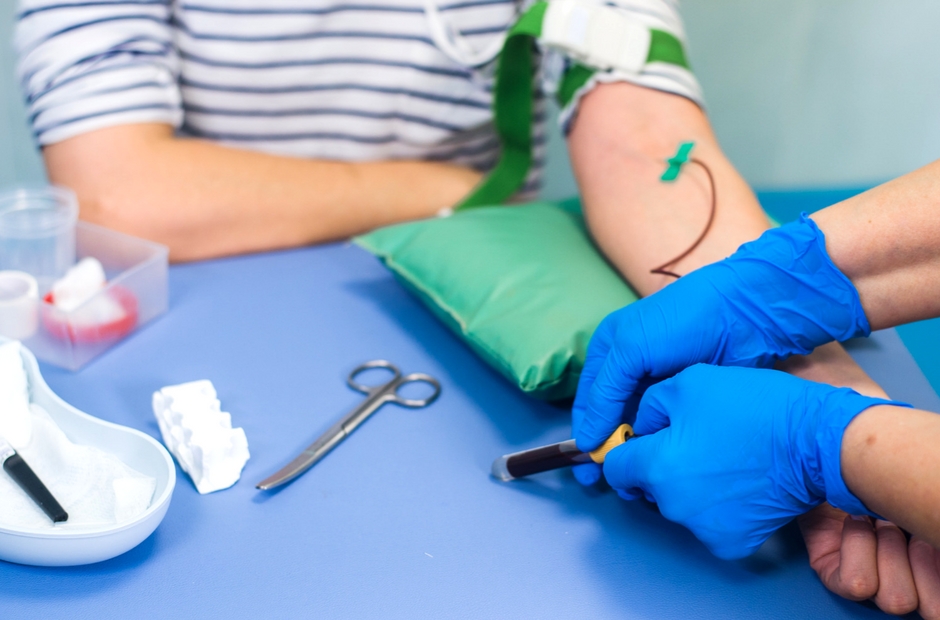
Ultimate Guide to Certified Phlebotomy: How to Start a Prosperous Career in Blood Collection
If you’re fascinated by healthcare, enjoy working with people, and want a direct, hands-on role in patient care, a career in phlebotomy could be an excellent fit. Certified phlebotomy professionals, also known as phlebotomy technicians (PBTs) or Certified Phlebotomy Technicians (CPTs) in some credentialing bodies, perform the essential task of collecting blood samples for laboratory testing.This comprehensive guide walks you through what phlebotomy is, why certification matters, how to choose the right credential, training pathways, day-to-day duties, salary expectations, and practical tips to launch a successful career in blood collection.
What is Phlebotomy and Why Certification Matters
Phlebotomy is the process of drawing blood from patients or donors for diagnostic testing, transfusions, or research. Even though the act of drawing blood may seem simple,it requires training in venipuncture techniques,capillary sampling,specimen labeling,specimen handling,safety protocols,and patient interaction. Certification matters for several reasons:
- demonstrates a standardized level of knowledge and practical skill.
- Enhances job opportunities across hospitals, clinics, laboratories, and blood donation centers.
- Supports compliance with state and facility requirements for clinical practice.
- May be required by employers and improves eligibility for advancement in the field.
A certified phlebotomy professional should also be proficient in safety procedures (including infection control and proper handling of biohazard materials), patient care ethics, quality control, and accurate data entry for lab orders. This blend of technical ability and soft skills helps ensure patient comfort and specimen integrity, which are critical for reliable test results.
Choosing the Right Certification for You
Several reputable organizations offer phlebotomy certification. The choice often depends on your location, career goals, and preferred employer. Common certifying bodies include:
- American Society for Clinical Pathology (ASCP) – Certified Phlebotomy technician (CPT)
- National Healthcareer Association (NHA) - Phlebotomy Technician Certification
- American Medical Technologists (AMT) – Phlebotomy Technician Certification
- National Center for Competency Testing (NCCT) – Phlebotomy Certification
Each body has its own eligibility requirements,exam format,and recertification cycle. in general, most certifying organizations require:
- Completion of an accredited phlebotomy training program or a specified number of clinical hours
- Minimum age and legal eligibility to work
- CPR/BLS (often required or highly recommended)
- Passing a written and/or practical exam
- Recertification at set intervals (commonly every 2-4 years) with continuing education credits
Certification overview table
| Certification Body | Certification title | Typical Eligibility | Recertification | Notes |
|---|---|---|---|---|
| ASCP | Certified Phlebotomy Technician (CPT) | Approved training program or clinical hours + exam | Every 4 years with CE credits | Widely recognized in hospitals and clinics |
| NHA | Phlebotomy Technician Certification | Graduated program or documented experience + exam | Every 2-3 years with CE credits | Strong national presence in outpatient settings |
| AMT | Phlebotomy Technician Certification | Validated training hours or equivalent experience + exam | Every 3-4 years with CE credits | Well-regarded for allied health credentials |
| NCCT | Phlebotomy Certification | Approved program or clinical experience + exam | Every 2-4 years with CE credits | Accessible option for many states |
Training Pathways: Where to Learn
The path to a certified phlebotomist usually starts with a structured training program or an on-the-job training track, followed by certification. Consider these common options:
- Community colleges and vocational schools: Many offer 4-6 month certificate programs with hands-on clinical hours in hospital labs or clinics.
- Hospital or clinical-based programs: Some healthcare facilities offer in-house training with on-site mentorship,often with an employment path after certification.
- Online certificate programs (with required in-person lab components): Useful for theory and procedural knowledge, but ensure the program provides real-world clinical experience or partnerships for hands-on practice.
- Combination programs: They blend online coursework with local in-person labs and clinical rotations to meet certification requirements.
When choosing a program, verify that it is approved or accredited by a recognized credentialing body or your local healthcare system. Look for hands-on practice, a robust clinical component, job placement assistance, and a clear pathway to the certification exam.
What You Will Learn in a Phlebotomy Training Program
A solid phlebotomy program covers both technical skills and professional competencies. Core topics typically include:
- anatomy and physiology of the circulatory system
- Phlebotomy safety, infection control, and PPE
- Venipuncture and capillary collection techniques
- Specimen labeling, handling, and transport
- Order entry, lab requisitions, and patient identification
- Quality assurance, accuracy, and chain of custody
- Patient communication, cultural sensitivity, and dealing with challenging patients
- Emergency procedures, first aid basics, and post-draw care
Hands-on practice, including simulated draws and supervised venipuncture on real patients, is essential. Successful programs integrate practice along with tests and practical assessments to prepare you for certification exams and real-world work.
Day in the Life of a Phlebotomy Technician
While daily tasks vary by setting, here is a representative snapshot of a typical day:
- Review patient details and verify orders
- Greet patients, explain procedures, and address anxieties
- Identify patients and perform venipuncture or capillary draws
- Label specimens accurately and ensure proper specimen handling
- Prepare and transport specimens to the laboratory
- Maintain clean workstations and sanitize equipment between patients
- Document activities, report difficult draws, and escalate as needed
- Assist with point-of-care testing if trained, and support blood donation drives if applicable
The role requires steady hands, meticulous attention to detail, empathy for patients (including those who are anxious or scared), and the ability to juggle multiple tasks in a fast-paced habitat.
Practical Tips for Success in Phlebotomy
- Master the basics: Invest time in venipuncture technique,hand hygiene,and labeling accuracy.
- Practice communication: Develop a calm, pleasant approach to put patients at ease and explain steps clearly.
- Gain CPR/BLS certification: It’s a valuable credential and often required by employers.
- Practice good record-keeping: Accurate labeling and patient data prevent costly lab errors.
- Network with local labs: Attend career fairs, join professional associations, and seek internship opportunities.
- Prepare for the exam: Use practice tests, flashcards, and study guides aligned with your certification body’s objectives.
- Stay adaptable: You may work in hospitals, clinics, imaging centers, or blood donation centers; each environment has its nuances.
job Outlook, Salary, and Career Growth
The demand for phlebotomy technicians remains solid due to ongoing laboratory testing needs across healthcare settings. In the United States, employers value certified phlebotomists for their reliability and patient safety practices.
- job outlook: The field is projected to grow faster than average in the coming years, with steady openings in hospitals, clinics, outpatient labs, and donation centers.
- Salary expectations: Salaries vary by region, experience, and employer.Typical ranges include:
- Average annual salary: approximately $32,000-$42,000
- Hourly wages commonly range from $15 to $23+
- Sign-on bonuses or shift differentials can increase overall compensation in some markets
- Career progression: With experience, you can move into lead phlebotomy roles, training and mentoring new staff, supervisory positions, or specialized laboratory support roles.
Certification can be a key differentiator when applying for roles that require reliability, speed, and accuracy in specimen collection and handling.
First-Hand Experience: A Day in the Clinic
Here’s a short narrative from a newly certified phlebotomy technician to illustrate practical realities:
“I started as a certified phlebotomy technician after completing a six-month program and earning my CPT. My first shift was in a busy outpatient lab, drawing blood for routine panels and wellness checks. I learned to stay calm under pressure,especially when a patient was needle-phobic. Within weeks, I built a routine for preparing supplies, labeling, and double-checking orders. My supervisor emphasized accuracy and patient comfort, and I stayed with that focus. Now I enjoy helping patients feel at ease and knowing my work directly supports doctors in diagnosing and treating illnesses.”
Resources and Study Guides
Leverage these resources to strengthen your knowledge and readiness for certification and day-to-day practice:
- Official study guides and practice exams from your chosen certification body (ASCP, NHA, AMT, NCCT)
- Anatomy and physiology reference books focused on the circulatory system
- Clinical skills labs and simulated venipuncture practice
- CPR/BLS certification prep materials
- Professional associations and local meetups for phlebotomy professionals
- Job search resources tailored to allied health and laboratory support roles
Frequently Asked Questions (FAQ)
Do you need certification to work as a phlebotomy technician?
Certification requirements vary by state and employer, but many healthcare facilities prefer or require a recognized certification.Completing an accredited training program and earning a certification improves job prospects and credibility.
What is the difference between venipuncture and capillary collection?
Venipuncture draws blood from a vein and is used for most routine tests. Capillary collection is often used for newborns, point-of-care testing, or when venipuncture is difficult. Proficiency in both methods is typically taught in training programs.
How long does it take to become a certified phlebotomy technician?
Most programs take about 4-6 months for a certificate, followed by exam preparation and scheduling. Some faster tracks exist, especially online programs with hands-on labs.
Conclusion: Your Next Steps to a Rewarding Career in Blood Collection
If you’re ready to embark on a stable, hands-on healthcare career, becoming a certified phlebotomy technician offers a clear path from training to certification to employment. Start by choosing a reputable training program that provides robust hands-on practice and a clear route to certification.Prepare for the certification exam by taking practice tests and committing to ongoing education. Build your soft skills-clear communication, empathy, and reliability-alongside your technical competencies. With dedication, you can secure a position in a hospital, clinic, or blood donation center and grow into roles with leadership opportunities in the laboratory or patient-care settings.
Key takeaways: certification improves employability, hands-on practice builds confidence, and ongoing education supports career growth in blood collection.