**Title: Phlebotomy Training Information: Everything You Need to Know**
**Introduction**
Are you interested in pursuing a career in healthcare that involves drawing blood and assisting with laboratory testing? If so, phlebotomy might be the perfect fit for you. Phlebotomists are trained professionals who specialize in drawing blood from patients for medical testing and donations. In this article, we will explore everything you need to know about phlebotomy training, including requirements, courses, certification, and career opportunities.
**What is Phlebotomy Training?**
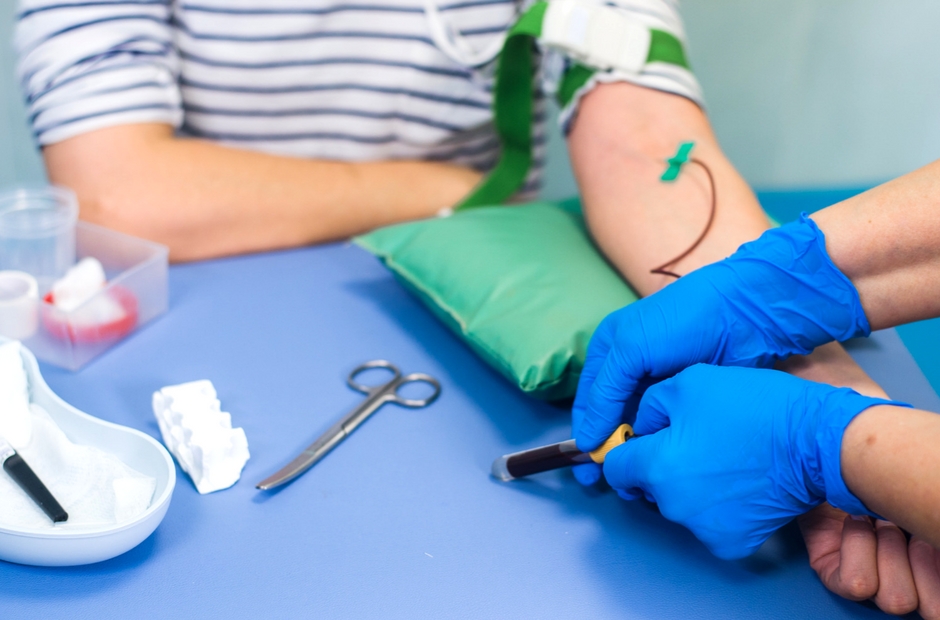
Phlebotomy training is a program designed to educate individuals on the proper techniques for drawing blood, handling specimens, and ensuring patient safety. The training covers a wide range of topics, including anatomy and physiology, infection control, medical terminology, and venipuncture procedures.
**Phlebotomy Training Requirements**
To enroll in a phlebotomy training program, you typically need to have a high school diploma or GED. Some programs may also require you to pass a background check and drug test. Additionally, it’s important to have good communication skills, attention to detail, and the ability to work well under pressure.
**Phlebotomy Training Courses**
Phlebotomy training courses can vary in length and content, but most programs include the following topics:
– Anatomy and Physiology
– Medical Terminology
– Infection Control
- Venipuncture Techniques
– Specimen Collection and Handling
– Patient Care and Communication
**Phlebotomy Certification**
After completing a phlebotomy training program, you may choose to obtain certification to enhance your job prospects and demonstrate your competency in the field. The most recognized certification for phlebotomists is offered by the National Healthcareer Association (NHA) or the American Society for Clinical Pathology (ASCP). To become certified, you must pass a certification exam and meet certain eligibility requirements.
**Career Opportunities for Phlebotomists**
Phlebotomists play a crucial role in the healthcare industry and can find employment in various settings, including hospitals, clinics, blood banks, and diagnostic laboratories. According to the Bureau of Labor Statistics, the demand for phlebotomists is expected to grow by 17% from 2019 to 2029, much faster than the average for all occupations.
**Benefits of Pursuing a Career in Phlebotomy**
– Job Security: Phlebotomy is an essential part of healthcare, ensuring a steady demand for trained professionals.
– Flexibility: Phlebotomists can work in various healthcare settings and may have the option to work part-time or full-time.
– Competitive Salary: Phlebotomists can earn a competitive salary, with the potential for advancement with additional training and experience.
**Practical Tips for Phlebotomy Training**
- Practice Makes Perfect: Take advantage of hands-on training opportunities to improve your venipuncture skills.
– Stay Current: Stay up to date on industry trends and advancements by attending conferences or taking continuing education courses.
- Network: Build relationships with other healthcare professionals to expand your career opportunities and knowledge base.
**Conclusion**
Phlebotomy training provides a solid foundation for individuals interested in pursuing a career as a phlebotomist. By completing a training program and obtaining certification, you can enhance your job prospects, earn a competitive salary, and make a positive impact on patient care. If you have a passion for helping others and enjoy working in a fast-paced environment, phlebotomy may be the perfect career choice for you. Consider enrolling in a phlebotomy training program today and take the first step towards a rewarding career in healthcare.