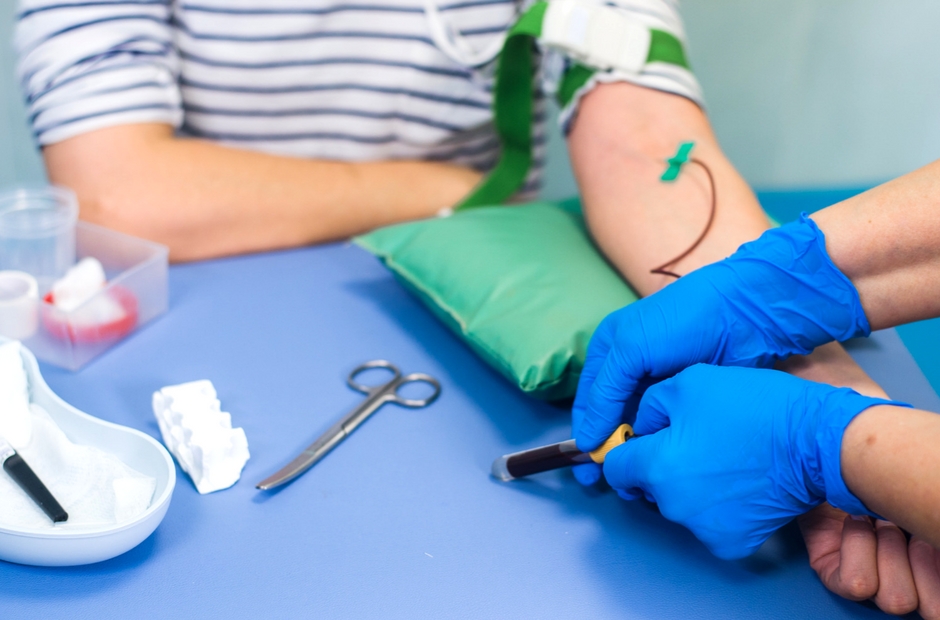
Mastering Phlebotomy Competency: Essential Skills and Certification Tips for healthcare Professionals
Embarking on a successful healthcare career often involves mastering essential skills,particularly in specialized fields like phlebotomy. As a vital component of diagnostic testing, phlebotomy requires precision, confidence, and adherence to safety standards.For aspiring or current healthcare professionals, understanding how to develop phlebotomy competency and achieve certifications can considerably boost your career prospects, improve patient outcomes, and ensure compliance with healthcare regulations. In this complete guide, we will explore the key skills necessary for mastering phlebotomy, tips for certification success, and practical strategies to enhance your proficiency in this critical practice.
Understanding Phlebotomy and Its Importance in Healthcare
Phlebotomy involves the collection of blood samples from patients for laboratory analysis. Proper blood collection techniques are crucial to ensure specimen integrity, patient safety, and accurate diagnostic results. As a healthcare professional, becoming proficient in phlebotomy can open doors to diverse career opportunities, including roles in hospitals, clinics, diagnostic laboratories, and blood donation centers.
Mastering phlebotomy competency means more than just knowing how to draw blood; it encompasses understanding patient care, safety protocols, equipment usage, and legal considerations. Let’s delve into the essential skills every healthcare professional should develop to excel in this field.
Essential Skills for Mastering Phlebotomy Competency
1. Proper Patient Identification and Interaction
- Verify patient identity using two identifiers (name and date of birth)
- welcome patients warmly to reduce anxiety
- Clearly explain the blood draw procedure to gain cooperation
2. Knowledge of Anatomy and Venipuncture Sites
- Identify suitable veins (e.g., median cubital vein, cephalic vein, basilic vein)
- Avoid areas with scars, infections, or edema
- Understand anatomy to minimize patient discomfort and risk
3. Skilled Use of Phlebotomy Equipment
- Select appropriate needles and collection tubes based on tests required
- Use tourniquets properly to locate veins without causing harm
- Practice needle insertion angles to minimize patient discomfort
4. Adherence to Safety and Infection Control Protocols
- Wear gloves and personal protective equipment (PPE)
- Properly sterilize equipment and dispose of sharps safely
- Follow Standard precautions at all times
5. Handling and Processing Blood Samples
- Label specimens accurately instantly after collection
- Maintain correct storage temperatures and conditions
- Transport samples promptly to avoid hemolysis or degradation
6. Troubleshooting Common Challenges
- Dealing with difficult veins
- managing patient fainting or anxiety
- Responding to accidental spills or equipment failure
Certification Tips for Healthcare Professionals Aspiring to Master Phlebotomy
1. Meet Prerequisites and Educational Requirements
Most phlebotomy certification programs require a high school diploma or GED. Some advanced programs may necessitate prior healthcare experience or coursework.
2.Choose Accredited Phlebotomy Certification Programs
Opt for programs accredited by reputable bodies such as the National Healthcareer Association (NHA), American Society for Clinical Pathology (ASCP), or American Medical technologists (AMT). Accreditation ensures the quality and recognition of your certification.
3. Prepare Diligently for the Certification Exam
| Study Strategies | Resources |
|---|---|
| Review comprehensive study guides | Official certification prep books and online courses |
| Practice with mock exams | Sample tests available on official certification websites |
| Attend hands-on training sessions | local healthcare training centers or community colleges |
4. Gain Hands-On Experience
- Complete supervised clinical practice to build confidence
- Seek opportunities in hospitals, clinics, or blood banks
- Document your clinical hours necessary for certification
5. Maintain Certification and Stay Updated
- Renew certification as required, frequently enough every 2 years
- Participate in continuing education to stay current with industry standards
- Engage in professional advancement opportunities
Practical Tips to Enhance Phlebotomy skills
- Practice regularly: the more you draw blood, the more agreeable you become.
- Develop patient rapport: kindness and clear communication reduce anxiety and improve cooperation.
- Stay organized: prepare your supplies before each patient to streamline the process.
- Keep learning: stay updated with the latest techniques and safety protocols.
- Prioritize safety: always follow infection control standards to protect yourself and the patient.
Case Studies: Real-World scenarios and Lessons Learned
Case Study 1: Difficult Vein Access
A healthcare professional encounters a patient with rolling veins and minimal visible veins. By applying gentle palpation, warming the area, and using a smaller gauge needle, successful blood collection is achieved. This highlights the importance of patient-specific techniques and advanced skill development.
case Study 2: Managing Patient Anxiety
A nervous patient experiences fainting during blood draw. The phlebotomist employs calming techniques, offers pressure to the site afterward, and ensures post-procedure observation. Empathy and preparedness can mitigate adverse reactions and improve patient experience.
First-Hand Experience: Insights from Certified Phlebotomists
Many certified phlebotomists emphasize the importance of patience,professionalism,and continuous advancement. Gaining hands-on experience and seeking feedback from supervisors are vital steps toward mastery. Remember, each patient is unique, and adaptability enhances your skills.
Benefits of Mastering phlebotomy Competency
- Enhanced employability and career advancement in healthcare
- Increased confidence in performing blood draws accurately and safely
- Contribution to vital diagnostic processes and patient care
- Opportunity to work in diverse healthcare settings
Conclusion
Mastering phlebotomy competency is an essential milestone for healthcare professionals seeking to excel in diagnostic and patient care roles. Developing core skills such as proper technique, patient communication, and safety adherence-coupled with proper certification and ongoing education-can significantly elevate your professional profile. Whether you’re just starting your journey or looking to refine your expertise, dedicating time to practice and learning will help you become a confident, competent, and compassionate phlebotomist. Remember,every blood draw is an opportunity to make a difference in patients’ lives and advance your healthcare career.