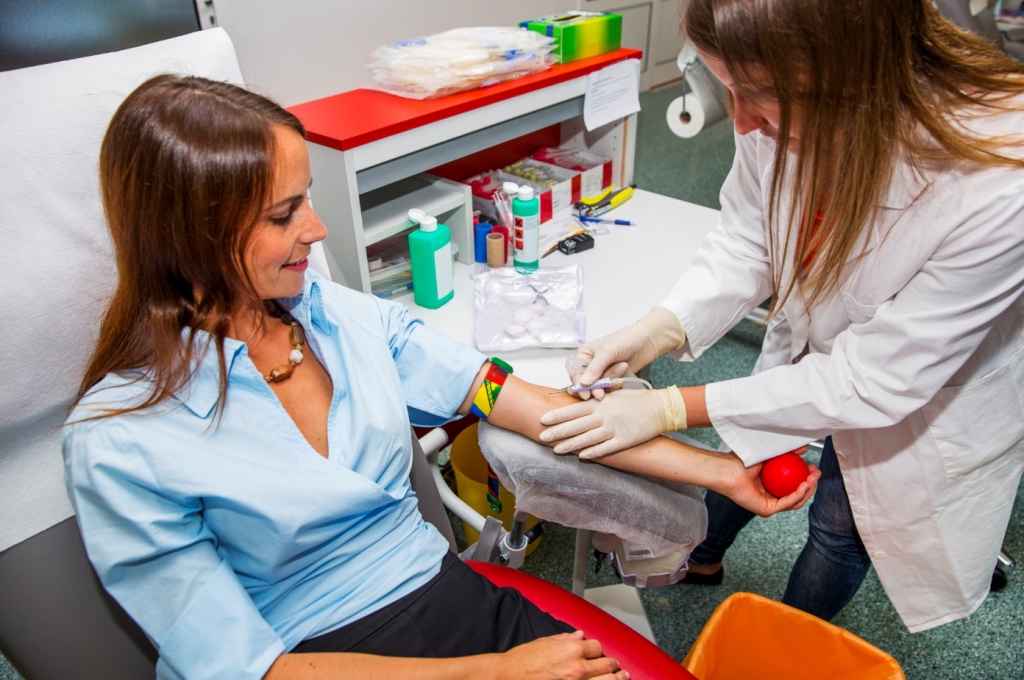
How Long Does Phlebotomy Training Take? Your Complete Guide to Certification Timeline
If you’re interested in a rewarding healthcare career, becoming a certified phlebotomist is an excellent choice. But one of the first questions you might have is, how long does phlebotomy training take? In this comprehensive guide, we’ll walk you through the typical duration of phlebotomy programs, the certification process, practical tips, and what to expect on your journey to becoming a certified phlebotomist.
Understanding Phlebotomy Training Programs
Phlebotomy training programs are designed to prepare students with the necessary skills to draw blood safely and efficiently. These courses typically include classroom instruction, hands-on practise, and sometimes an internship or externship component to give real-world experience.
Types of phlebotomy Training
- Certificate programs: Usually the most common, these focus solely on phlebotomy skills.
- Diploma Programs: Slightly longer, combining more comprehensive healthcare training with phlebotomy skills.
- Associate Degree Programs: Broader healthcare education, including phlebotomy as part of a larger medical program.
How Long Does Phlebotomy Training Take?
The duration of phlebotomy training varies based on the program type, location, and whether you study full-time or part-time. Here’s a breakdown of typical timeline estimates:
| Program Type | Average Duration | Mode of Study |
|---|---|---|
| Certificate Program | 4 to 8 weeks | Full-time / Part-time |
| Diploma Program | 2 to 4 months | Full-time / Part-time |
| Associate Degree | 18 to 24 months | Full-time |
Detailed Breakdown of Certification Timeline
Most phlebotomy training programs are designed to be completed in approximately:
- 1 to 3 months: For fast certification programs aimed at immediate employment.
- 6 months or more: For comprehensive diploma or associate degree programs.
The Certification Process for Phlebotomists
After completing your training program, the next step is obtaining certification, which enhances employability and professional credibility. Certification timelines vary depending on the certifying body and your preparation, but generally include:
Steps to Certification
- Complete an approved phlebotomy training program.
- Meet the eligibility requirements set by the certifying organization (e.g., number of blood draws performed, training hours).
- apply for certification with a recognized organization such as the american Society for Clinical Pathology (ASCP) or National healthcareer Association (NHA).
- Pass the certification exam.
- Receive your certification and begin your career as a certified phlebotomist.
How Long Does Certification take?
From application to certification, the process typically takes:
- 2 to 4 weeks: After passing the exam and submitting your application.
- Variable: Depending on exam scheduling and application review times.
Practical Tips for Accelerating Your Phlebotomy Training and Certification
- Choose an accredited program: Ensures eligibility for certification and good job prospects.
- Prepare thoroughly for the exam: Use practice tests and study guides to boost your confidence.
- Gain hands-on experience: Seek internships or externships during your training.
- Plan your schedule: Whether full-time or part-time, schedule your studies to maintain consistency.
Benefits of Completing Phlebotomy Training
- Quick entry into healthcare: fast-track your career with relatively short training programs.
- High demand: Phlebotomists are consistently in demand across hospitals, clinics, and laboratories.
- Flexible work settings: Work in various healthcare environments such as blood donation centers and physicians’ offices.
- Foundation for advancement: opportunity to specialise or pursue further healthcare education.
Real-Life Case Study: journey to Becoming a Certified Phlebotomist
Meet Sarah, who decided to pursue a career in healthcare after volunteering at her local hospital. She enrolled in a 4-week certificate program, took her certification exam, and was certified within 3 weeks. Sarah now works in a busy hospital laboratory and plans to pursue an advanced healthcare degree in the future. Her story exemplifies how efficient and achievable becoming a certified phlebotomist can be.
Conclusion
the timeline for phlebotomy training and certification depends largely on the program you choose and your personal pace. Fast-track certificate programs can prepare you in as little as four to eight weeks, while diploma or associate degree pathways may take several months or longer. Nonetheless of the route, obtaining your certification quickly can open doors to a fulfilling healthcare career within a short time frame. By planning carefully, choosing accredited programs, and preparing diligently, you can achieve your goal of becoming a certified phlebotomist efficiently and confidently.
Ready to start your journey? Explore local training programs today and take your first step toward a rewarding career in healthcare!