What Is a Phlebotomist? Understanding the Role of Blood Draw Specialists
If you’ve ever had a blood test, you’ve likely encountered a phlebotomist-a healthcare professional trained to draw blood wiht precision and care. But what exactly does a phlebotomist do,and why are their skills so vital in medical settings? In this complete guide,we’ll explore the role of blood draw specialists,their training,the benefits of their work,and insights into this rewarding healthcare profession.
Introduction
Blood tests are a routine yet crucial part of medical diagnosis, treatment monitoring, and health assessments. Behind every successful blood draw is a dedicated phlebotomist. Whether working in hospitals,clinics,laboratories,or blood donation centers,phlebotomists play a vital role in ensuring accurate sample collection and patient comfort. Understanding the responsibilities, skills, and career path of a phlebotomist helps demystify this essential healthcare profession and highlights its importance in modern medicine.
What Is a Phlebotomist? Definition and Overview
definition of a Phlebotomist
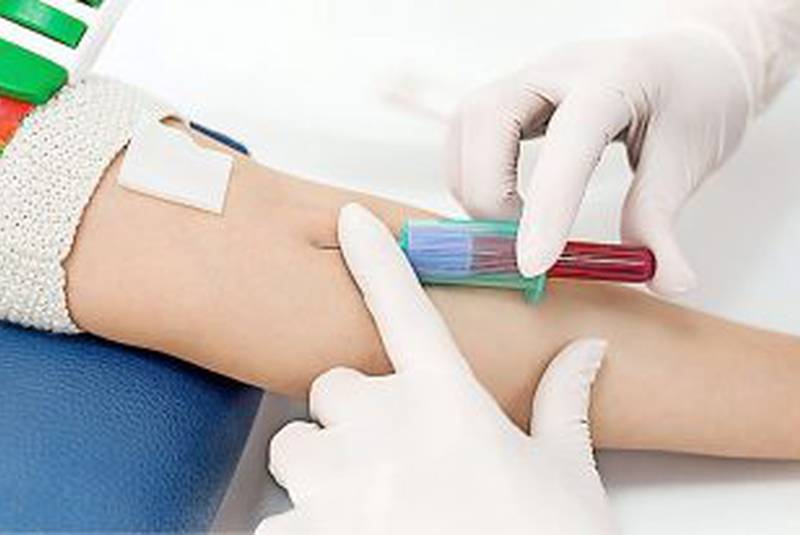
A phlebotomist is a trained healthcare professional who specializes in collecting blood samples from patients. Their primary task is to perform venipuncture-the process of drawing blood through a vein-or capillary puncture, using sterile techniques to ensure safety and accuracy. These blood samples are then sent for laboratory analysis to diagnose,monitor,and manage various health conditions.
Who Do Phlebotomists Work With?
- Patients of all ages, from infants to the elderly
- Doctors and other healthcare providers
- Laboratory technicians
- Blood banks and donation centers
- Hospitals, clinics, and outpatient facilities
The Role and Responsibilities of a Phlebotomist
Core Responsibilities
- Preparing patients and medical environments for blood collection
- Identifying patients correctly to prevent errors
- Selecting appropriate collection sites and equipment
- Performing venipuncture or capillary puncture with skill and care
- Labeling specimens accurately to ensure proper testing
- Maintaining strict safety and hygiene standards
- Managing and processing blood samples for laboratory testing
- Providing patient education and comfort during procedures
Skills Required for Phlebotomy
- Good manual dexterity and steady hand
- Strong communication and patient interaction skills
- Attention to detail and organizational skills
- Ability to stay calm and compassionate under pressure
- Knowledge of blood collection equipment and safety protocols
Training and Certification for Phlebotomists
Educational pathways
Becoming a certified phlebotomist typically requires completing a formal training program, which can be obtained through community colleges, technical schools, or healthcare institutions. These programs often include both classroom instruction and hands-on practice in blood collection techniques.
Certification and Licensing
Many states and employers require phlebotomists to hold certification, such as the National Phlebotomy Certification (NPC) or Certified Phlebotomy Technician (CPT). Certification ensures that professionals adhere to current safety standards and best practices.
Prerequisites for Certification
- High school diploma or equivalent
- Completion of approved phlebotomy training program
- Passing relevant certification exams
benefits of Being a Phlebotomist
- High demand with job stability and growth opportunities
- entry-level positions available with minimal educational requirements
- Relatively short training period compared to other healthcare careers
- Rewarding work helping patients and supporting healthcare teams
- Opportunities to advance into supervisory or specialized roles
Practical Tips for Aspiring Phlebotomists
- Gain hands-on experience through internships or training programs
- Develop excellent bedside manner to make patients comfortable
- Keep updated with the latest safety protocols and technology
- Practice good hand hygiene and proper specimen handling
- Build strong communication skills with diverse patient populations
Case Studies: Real-Life Experiences of Blood Draw Specialists
Case Study 1: Pediatric Blood Draws
In pediatric settings, phlebotomists face unique challenges, including comforting anxious children. Successful practitioners use gentle techniques, distraction methods, and age-appropriate communication to ensure a smooth blood draw experience. This case highlights the importance of patience and compassion in pediatric phlebotomy.
Case Study 2: emergency Room Phlebotomy
In busy emergency departments, blood draw specialists must perform rapid, accurate draws while managing high-stress situations. Their ability to operate efficiently under pressure can be life-saving, especially when rapid diagnosis depends on timely blood testing.
First-Hand Experience: What It’s Like to Be a Phlebotomist
“Performing blood draws requires a steady hand, confidence, and empathy.Over time, I learned to read patients’ cues and adapt accordingly. The most fulfilling part is knowing I help doctors diagnose illnesses and patients feel cared for,” shares a certified phlebotomist with years of experience. This profession offers a unique blend of technical skills and compassionate care.
Conclusion
Understanding what a phlebotomist does sheds light on a vital yet often overlooked healthcare profession. From collecting blood samples with precision to ensuring patient comfort and safety, blood draw specialists play a crucial role in medical diagnostics and treatment. For those interested in a rewarding and relatively accessible healthcare career, becoming a phlebotomist offers stability, growth, and the prospect to make a meaningful difference in people’s lives.Whether you’re considering this path or simply want to know more about blood collection professionals, it’s clear that blood draw specialists are essential pillars of healthcare systems worldwide.
Quick Facts About Phlebotomists
| Aspect | Details |
|---|---|
| Average Salary | $36,000 - $42,000 annually |
| Training Duration | less than 1 year |
| Work Settings | Hospitals, labs, clinics, blood banks |
| certification Needed | Frequently enough required; varies by state |
| Job Outlook | Fast growth due to healthcare demand |
Embark on a career as a phlebotomist, and become a key player in the healthcare community-helping save lives one blood sample at a time!