Become a Certified Licensed Phlebotomist: Your Path to a Rewarding Healthcare Career
Embarking on a career as a licensed phlebotomist opens doors to a stable, meaningful, and fast-growing sector within the healthcare industry. If you’re passionate about helping others, interested in medical procedures, and eager to start working in a healthcare setting, becoming a certified licensed phlebotomist is an excellent choice. This extensive guide will walk you through the steps, benefits, practical tips, and real-world insights to help you achieve your goal of obtaining a professional certification and license in phlebotomy.
Understanding the Role of a Phlebotomist
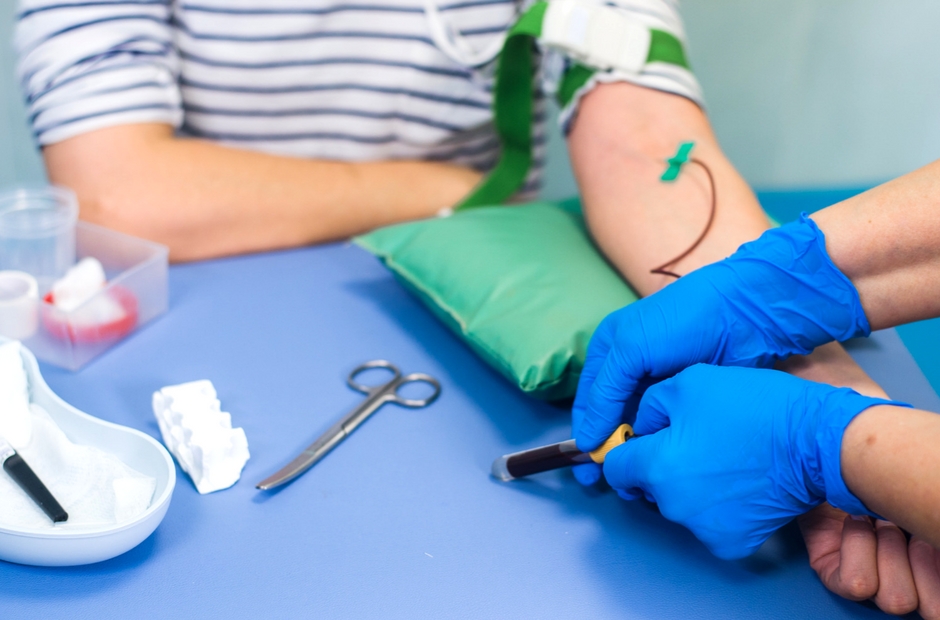
A phlebotomist is a healthcare professional specialized in drawing blood samples for laboratory testing, transfusions, or donation purposes. they work closely with doctors, nurses, lab technicians, and patients. The role requires technical skills,compassion,attention to detail,and adherence to safety protocols.
Why Pursue Certification and Licensing in Phlebotomy?
- Increased job opportunities: Certification makes you more competitive and qualifies you for a wider range of jobs.
- higher earning potential: Licensed phlebotomists often earn more than their uncertified counterparts.
- Professional recognition: Certification signifies your expertise and commitment to quality care.
- Legal requirement: Many states mandate licensing or certification to work legally as a phlebotomist.
- Career advancement: Certification opens pathways to specialized roles or supervisory positions.
Pathway to Becoming a Certified Licensed Phlebotomist
1. Meet Basic eligibility Requirements
- Must be at least 18 years old.
- High school diploma or GED equivalent.
- Ability to perform physical tasks such as standing for extended periods and handling medical equipment.
2.Complete a Certified Phlebotomy Training Program
Enrolling in an accredited training program is essential. These programs typically include classroom instruction and hands-on clinical practice covering:
- Anatomy and physiology related to venipuncture
- Safety and infection control
- Specimen collection techniques
- Patient interaction skills
- Proper use of collection equipment
3. Gain Practical Experience
Most training programs provide supervised hands-on experience. This real-world practice is crucial for building confidence and competence in performing blood draws accurately and safely.
4. Pass the Certification Exam
Popular certifying agencies include the American Society for Clinical pathology (ASCP), National Phlebotomy Association (NPA), and American Phlebotomy Association (APA). Application requirements usually involve submitting proof of training and clinical hours and passing an exam that tests your knowledge and skills.
5. Obtain State Licensure
Licensing requirements vary by state; some require passing a state exam, while others except national certification. Check with your state’s health department for specific licensing procedures and criteria.
Scheduling Your Certification Exam
| certification Body | Exam Name | Eligibility Criteria | Cost | Exam Format |
|---|---|---|---|---|
| ASCP | Phlebotomy Technician Certification (PBT) | training + clinical hours | $180 | Multiple-choice |
| NPA | Certified Phlebotomy Technician (CPT) | Training + clinical practice | $150 | Multiple-choice + practical skills |
| APA | Certified Phlebotomy Technician (CPT) | Training + experience | $200 | Multiple-choice |
Benefits of Becoming a Licensed and certified Phlebotomist
- Job security: growing demand in hospitals, clinics, blood banks, and labs.
- Adaptability: Opportunities for part-time, full-time, or traveling positions.
- Career growth: Pathway to roles such as laboratory assistant, medical technician, or healthcare supervisor.
- Personal fulfillment: making a difference in patients’ lives through compassionate care.
Practical Tips for aspiring Phlebotomists
- Choose an accredited program: Ensures your certification will be recognized and valid.
- Practice extensively: Master your skills in a clinical setting with real patients.
- Prepare for exams: Use practice tests and study guides related to your certifying agency.
- Develop soft skills: compassion, patience, dialogue, and professionalism are vital.
- Stay updated: Keep current on new techniques, safety protocols, and industry standards.
Case Study: From student to Certified Phlebotomist
Meet Sarah: After graduating high school, Sarah enrolled in a reputable phlebotomy training program.She completed her clinical hours at a local hospital, gaining vital hands-on experience. Passing her certification exam with flying colors, she obtained her state licensure and now works in a busy outpatient clinic.sarah credits her success to thorough training, dedicated practice, and ongoing professional development.
Conclusion: Start Your Journey to a rewarding Healthcare Career today
Becoming a certified licensed phlebotomist is a strategic move towards a fulfilling career in healthcare. Not only does this profession offer job stability and competitive pay, but it also provides the personal satisfaction of playing a crucial role in patient care.By following the necessary steps – from education and training to certification and licensing – you can embark on a healthcare journey that is both rewarding and impactful. Take the first step today and unlock your potential as a licensed phlebotomist!