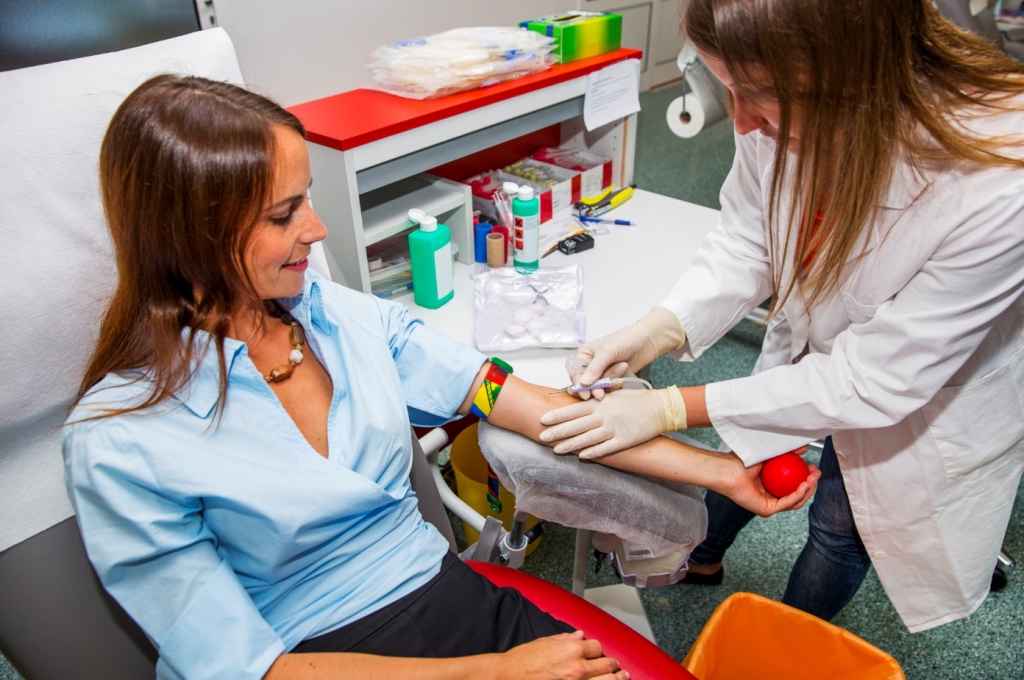
Discover Exciting Career Opportunities: what Can You Do With a Phlebotomy Certificate?
If you’re considering a healthcare career that offers stability, flexibility, and the chance to make a real difference, obtaining a phlebotomy certificate could be your perfect starting point. This certification opens doors to numerous healthcare roles,from clinical labs to mobile blood donation units. In this complete guide, we’ll explore the various career opportunities available with a phlebotomy certification, the benefits of pursuing this path, practical tips to succeed, and real-world case studies that showcase its potential.
What Is a Phlebotomy Certificate?
A phlebotomy certificate is a professional credential that certifies an individual’s ability to safely and effectively draw blood from patients for tests, donations, or transfusions. This certification is typically obtained through accredited training programs that include classroom instruction, hands-on practice, and passing a certification exam.
Phlebotomists play a crucial role in the healthcare system by facilitating accurate laboratory testing and blood donation processes. The earning of a phlebotomy certification demonstrates competence, professionalism, and readiness to operate in diverse healthcare settings.
Why Pursue a Phlebotomy Certification?
- High demand: The need for trained phlebotomists is growing due to increasing healthcare services and aging populations.
- Rapid training programs: Many certified programs can be completed within a few months, allowing for faster entry into the workforce.
- Entry-level opportunities: No extensive prior experience needed, making it accessible for newcomers to healthcare.
- Versatility: Ability to work in various healthcare settings, from hospitals to mobile clinics.
- Career advancement: Opportunities to specialize further or move into supervisory roles with additional training.
Career Opportunities With a Phlebotomy Certificate
1.Clinical Phlebotomist
The most common role, clinical phlebotomists, work directly in hospitals, clinics, laboratories, and physician’s offices. they are responsible for collecting blood samples accurately and ensuring patient comfort and safety.
2. Mobile Phlebotomy Technician
Mobile phlebotomists travel to patient locations, such as homes, nursing homes, or community centers, to perform blood draws. This role offers flexibility and a unique opportunity to serve underserved populations.
3. Donation Center Technician
Working primarily in blood banks or donation centers, these technicians facilitate blood collection for donation efforts, often working with volunteers and blood donors.
4. Research Assistant / Laboratory Technician
Phlebotomy skills are valuable in research settings where blood samples are collected for medical trials and experiments, supporting innovations in healthcare and medicine.
5. Medical Laboratory Technologist
While requiring further schooling,a phlebotomy certificate is often an essential stepping stone toward becoming a lab technologist,where you’ll analyze blood samples and interpret test results.
6.Forensic Phlebotomist
In forensic settings, phlebotomists assist law enforcement by collecting blood samples for criminal investigations, adding an element of law enforcement expertise to healthcare skills.
Table: career Pathways with a Phlebotomy Certificate
| Role | Workplace | Typical Salary (USD) | Opportunity Level |
|---|---|---|---|
| Clinical Phlebotomist | Hospitals & Clinics | $35,000 - $45,000 | Beginner to Intermediate |
| Mobile Blood Draw Technician | Community & Home Settings | $38,000 – $48,000 | Intermediate |
| Blood Bank Technician | Blood Donation Centers | $36,000 – $46,000 | Intermediate |
| Research & Lab Assistant | Medical Research Facilities | $33,000 – $43,000 | Intermediate to Advanced |
Benefits of a Career in Phlebotomy
- Stable employment: The healthcare sector continues to grow, ensuring consistent job opportunities.
- Flexible scheduling: Many roles offer part-time, full-time, or shift work options.
- Personal fulfillment: Helping patients and contributing to medical diagnostics provides a sense of purpose.
- Potential for growth: Additional certifications open pathways to advanced healthcare roles.
practical Tips for Success in Your Phlebotomy Career
- Choose accredited training programs: Ensure your certification is recognized by reputable bodies like the National Healthcareer Association (NHA) or american Society for Clinical Pathology (ASCP).
- Gain hands-on experience: Practical training under supervision boosts confidence and competence.
- develop excellent patient dialog skills: Being empathetic and clear helps ease patient anxiety during blood draws.
- Stay updated on industry standards: Join professional organizations and attend workshops.
- Maintain certification: Complete continuing education units (CEUs) as required to keep your credentials current.
Case Study: From Certificated Phlebotomist to Healthcare Professional
Maria’s Journey to Healthcare Excellence
Maria started her healthcare career with a quick phlebotomy certification through a local college program. She initially worked as a mobile blood draw technician, enjoying the flexibility and community service aspect of her role. Over time, Maria pursued additional certifications in medical assisting, eventually transitioning into a clinical lab technician position. Today, she leads her team in a busy hospital laboratory, exemplifying how a foundational phlebotomy certification can pave the way for a rewarding career in healthcare.
Real-World Experience: What It’s Like to Be a Phlebotomist
Many professionals in the field share that the most rewarding aspect of being a phlebotomist is the trust and gratitude of patients. One phlebotomist, Tom, notes, “Every day offers new challenges and opportunities to connect with people. It’s a role that combines technical skill with compassion.” Practical experience teaches patience, precision, and resilience-valuable qualities in any healthcare career.
Conclusion
Embarking on a career path with a phlebotomy certificate opens a world of exciting opportunities in healthcare.Whether you aim to work in hospitals, mobile clinics, blood banks, or research labs, this certification can serve as a stepping stone towards a stable, rewarding, and fulfilling career. With targeted training, practical experience, and a passion for helping others, you can turn your certification into a lifelong profession that makes a true difference in people’s lives.
If you’re ready to start your journey, explore accredited phlebotomy programs today and take the first step towards a shining future in healthcare!