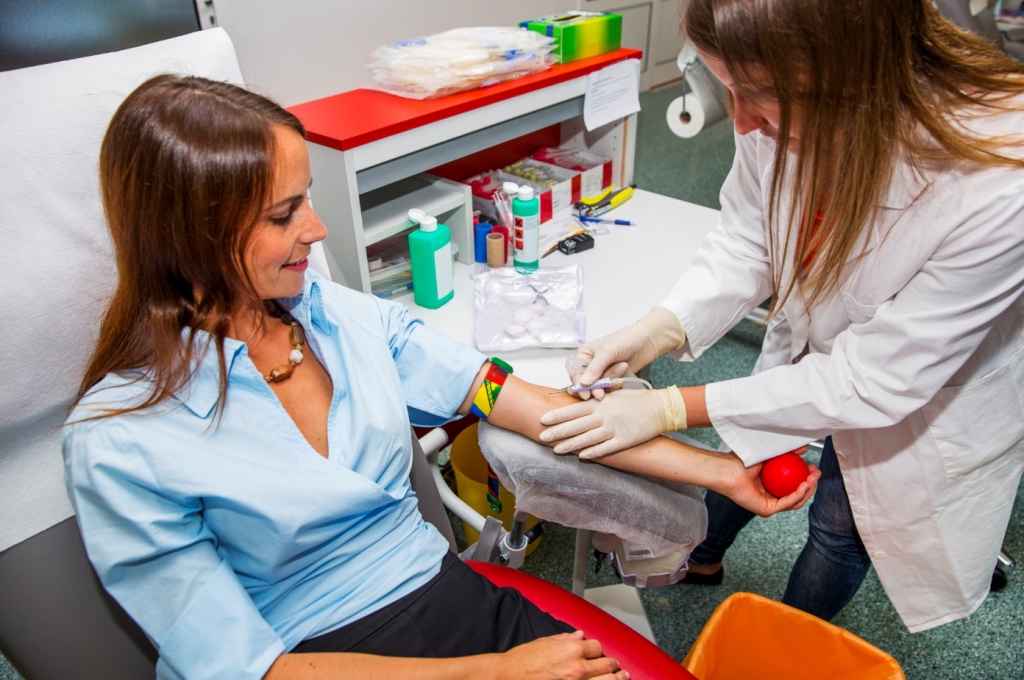
Mastering Blood Phlebotomy: A Comprehensive Guide to Techniques, Tips, and Best Practices
Phlebotomy, the practice of drawing blood for testing and donation, is an essential skill in the medical field. Understanding the techniques and best practices in blood phlebotomy not only ensures accurate results but also provides greater patient comfort. This comprehensive guide will delve into the essential aspects of phlebotomy, offering practical tips and effective strategies.
What is Phlebotomy?
Phlebotomy involves the collection of blood samples through venipuncture or skin puncture. This procedure is commonly performed for diagnostic testing, blood transfusions, and donation purposes. A skilled phlebotomist must be proficient in various techniques to ensure the safety and comfort of patients.
Key Techniques in Phlebotomy
1. Venipuncture
Venipuncture is the most common method used for blood collection. Here are essential steps:
- Choose the appropriate site: Identify a suitable vein, typically the median cubital vein in the arm.
- Apply a tourniquet: Use a tourniquet to constrict blood flow and make veins more visible.
- Clean the site: Use an antiseptic wipe to clean the chosen area.
- Insert the needle: With a steady hand, insert the needle at a 15-30 degree angle.
- Collect the sample: Attach the collection tube to the needle and allow the blood to fill it.
- Remove the needle: Once the sample is collected, gently remove the needle and apply pressure to prevent bleeding.
2. Capillary Puncture
Capillary puncture is primarily used for children or patients with challenging venous access. The process involves:
- Selecting the puncture site (usually the heel or fingertip).
- Cleaning the area with an antiseptic wipe.
- Using a lancet to make a small puncture.
- Collecting blood using capillary tubes or micro-collection containers.
Benefits of Skilled Phlebotomy
- Enhanced patient comfort minimizes anxiety and discomfort during blood draws.
- Increased accuracy in test results, directly impacting patient treatment.
- Efficient use of time and resources in clinical settings.
Best Practices for Blood Phlebotomy
1. Communication is Key
Explain the procedure to your patients clearly and calmly. This helps to build trust and ease their anxiety.
2. Adhere to Safety Protocols
Always wear appropriate personal protective equipment (PPE) and dispose of needles in sharp containers.
3. Practice Aseptic Technique
Using aseptic techniques minimizes infection risks. This includes hand hygiene, using sterile equipment, and proper site cleaning.
4. Use the Right Equipment
Select appropriate needles, collection tubes, and syringes based on the procedure and patient needs. See the table below for commonly used equipment:
| Equipment | Purpose | Size |
|---|---|---|
| Vacutainer | Blood collection | Various sizes |
| Butterfly Needle | Venipuncture on small veins | 21G – 25G |
| Microcollection Tubes | Capillary blood collection | 0.5 mL, 1 mL |
Real-Life Case Studies
Case Study 1: Overcoming Patient Anxiety
A young patient was particularly anxious about blood draws. By communicating openly about the phlebotomy process and reassuring the child through engaging conversation, the phlebotomist was able to successfully collect the required samples with minimal stress for the patient.
Case Study 2: Difficult Venous Access
In a situation where a patient had difficult venous access, the phlebotomist opted for a butterfly needle which allowed easier positioning and, with the patient’s consent, performed a capillary puncture and was able to fulfill the testing requirements.
First-hand Experience: Tips from Professional Phlebotomists
Many professional phlebotomists recommend practicing empathy and patience. A simple smile and reassurance can transform the experience for a patient. Here are their top three tips for new phlebotomists:
- Always keep learning: Stay updated with the latest techniques and practices.
- Discuss with peers: Sharing experiences can introduce you to new strategies.
- Build rapport: Take the time to understand patient concerns, which can lead to smoother procedures.
Conclusion
Mastering blood phlebotomy is an invaluable skill that contributes significantly to patient care and diagnostic accuracy. By employing the right techniques, maintaining best practices, and understanding patient needs, you can greatly enhance your abilities as a phlebotomist. Through continuous learning and adapting to new challenges, you can ensure that you provide the best service in this crucial area of healthcare.