Unlocking Your Future: The Essential Guide to Becoming a Phlebotomy Medical Assistant
If you’re considering a career in the healthcare field, becoming a Phlebotomy Medical Assistant might just be the perfect fit for you! This dynamic profession allows you to play a critical role in patient care while also offering numerous opportunities for advancement. In this comprehensive guide, we will explore everything you need to know about becoming a Phlebotomy Medical Assistant.
What is a Phlebotomy Medical Assistant?
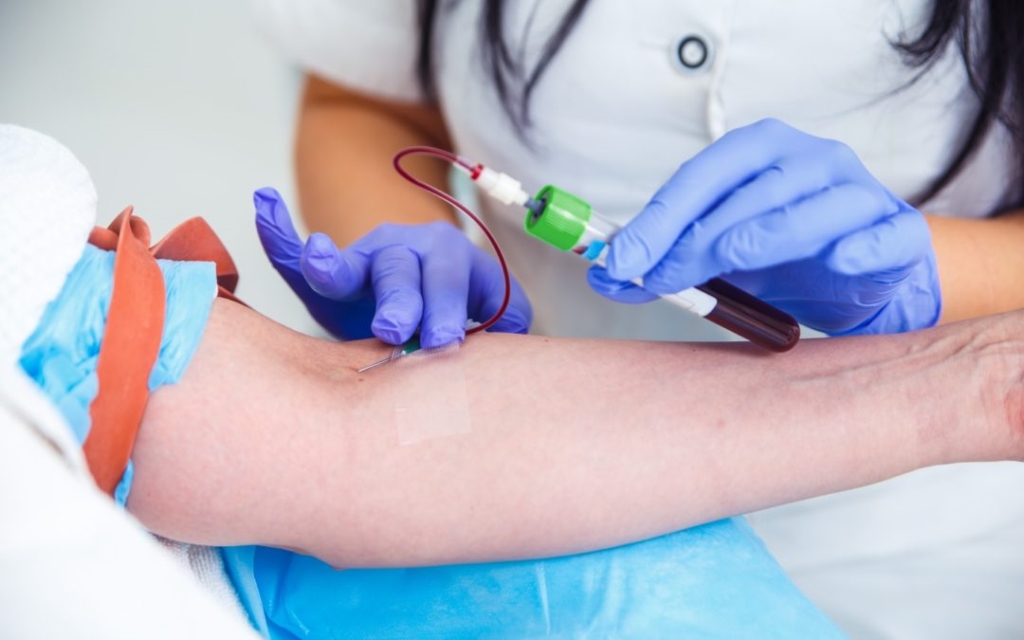
A Phlebotomy Medical Assistant specializes in drawing blood and collecting samples for laboratory testing. Beyond phlebotomy, these professionals often perform basic medical assistant duties, such as checking vitals, assisting with patient care, and maintaining medical records.
Key Responsibilities of a Phlebotomy Medical Assistant
Understanding the daily tasks of a Phlebotomy Medical Assistant is crucial when considering this career path. Here are some key responsibilities:
- Collecting blood samples through venipuncture or capillary puncture.
- Preparing samples for laboratory analysis.
- Maintaining a sterile environment and adhering to infection control protocols.
- Assisting in patient record management.
- Providing compassionate care and support to patients during procedures.
- Communicating effectively with healthcare team members.
Skills Required to Succeed
To thrive as a Phlebotomy Medical Assistant, you will need a specific set of skills, including:
- Technical Skills: Proficiency in various blood collection methods, laboratory procedures, and the use of medical instruments.
- Interpersonal Skills: Strong communication skills for interacting with patients and healthcare staff.
- Attention to Detail: Accuracy in collecting samples and maintaining records is critical.
- Empathy and Compassion: Ability to comfort and reassure patients during the blood collection process.
Pathway to Becoming a Phlebotomy Medical Assistant
Embarking on the journey to become a Phlebotomy Medical Assistant involves several important steps. Here is a clear pathway to follow:
- Research Requirements: Check the certification and educational requirements in your state.
- Education: Obtain a high school diploma or GED.
- Enroll in a Training Program: Complete a phlebotomy training program that includes hands-on practice.
- Become Certified: Obtain certification through organizations such as the National Phlebotomy Association (NPA) or American Society for Clinical Pathology (ASCP).
- Gain Experience: Seek internships or entry-level positions to gain practical experience.
Benefits of Becoming a Phlebotomy Medical Assistant
Choosing a career as a Phlebotomy Medical Assistant comes with numerous benefits:
- Job Stability: The demand for healthcare professionals continues to grow, ensuring job security.
- Competitive Salary: Phlebotomy Medical Assistants typically earn a competitive wage.
- Flexible Work Hours: Opportunities to work in various healthcare settings often provide flexible scheduling.
- Career Advancement: Gain experience and pursue additional certifications to advance your career.
Practical Tips for Success
As you step into the world of phlebotomy and medical assisting, here are some practical tips to enhance your success:
- Network: Attend healthcare workshops and join professional organizations to build connections.
- Stay Updated: Regularly learn about new techniques and advancements in phlebotomy.
- Practice Issues: Build your confidence by practicing venipuncture on training models.
- Develop Emotional Intelligence: Engaging with patients empathetically can significantly enhance their experience.
Case Studies: Real-Life Experiences
Learning from the experiences of others can be incredibly valuable. Here are two case studies of successful Phlebotomy Medical Assistants:
| Name | Background | Key Takeaway |
|---|---|---|
| Emily Johnson | Recent graduate from a medical assisting program. | Networking helped her secure a position in a top hospital. |
| Mark Stevens | Worked as a CNA before transitioning to phlebotomy. | Prior experience with patient care was invaluable. |
Conclusion
Becoming a Phlebotomy Medical Assistant is not just about drawing blood; it’s about making a significant impact on patient care and supporting healthcare teams. With the right education, skills, and mindset, you can unlock your future in this rewarding field. Remember to stay dedicated and continually seek opportunities for growth, and you’ll find great success as a Phlebotomy Medical Assistant.