Unlocking the Secrets: What Is a Phlebotomist and Why They’re Essential in Healthcare
In the vast landscape of healthcare, various roles are crucial for ensuring that patient care runs smoothly. One such pivotal position is that of a phlebotomist. Often working behind the scenes, phlebotomists play an essential role in medical practices, hospitals, and laboratories. This article will explore the world of phlebotomy, shedding light on what phlebotomists do, the benefits of their work, and why this profession is indispensable in the healthcare sector.
What Is a Phlebotomist?
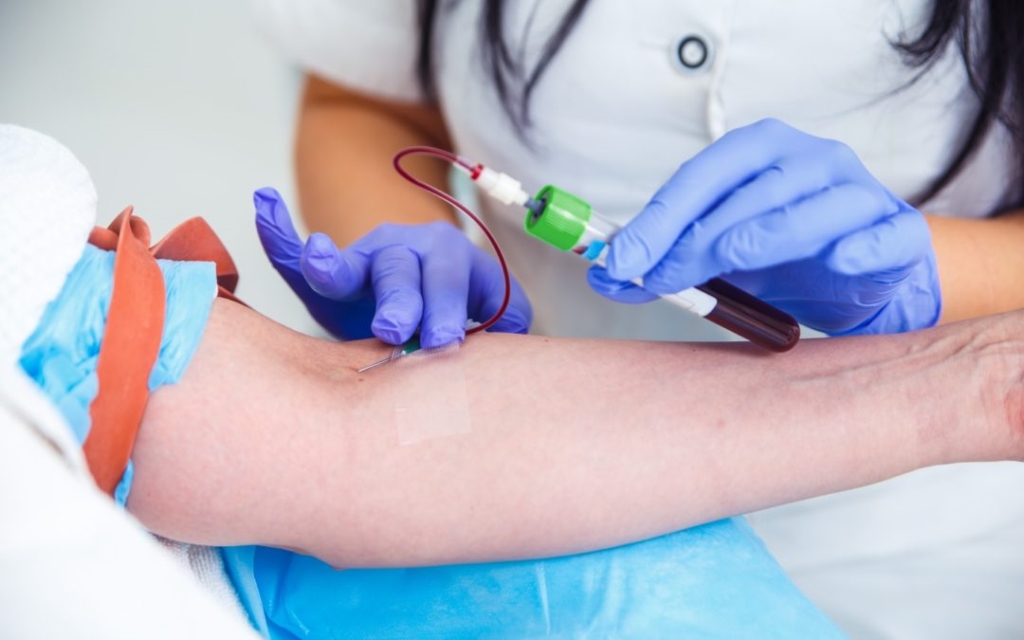
A phlebotomist is a trained healthcare professional who specializes in drawing blood from patients for various laboratory tests, transfusions, donations, or research. They serve as a critical link between patients and the medical team, ensuring that blood samples are collected accurately and safely.
Key Responsibilities of a Phlebotomist
- Preparing patients for blood draws and explaining procedures.
- Selecting appropriate collection methods based on patient needs.
- Using a variety of blood collection techniques, including venipuncture and capillary puncture.
- Maintaining strict hygiene and safety protocols to prevent contamination.
- Labeling and storing blood samples for laboratory analysis.
- Providing aftercare and monitoring patients post-draw for adverse reactions.
Why Are Phlebotomists Essential in Healthcare?
The importance of phlebotomists in healthcare cannot be overstated. They play a vital role in patient diagnosis and treatment. Here’s a closer look at why they are essential:
1. Accurate Diagnosis
Blood tests are an invaluable tool in diagnosing a wide range of conditions. A competent phlebotomist ensures that blood samples are collected efficiently so that lab results are accurate and timely. This accuracy can directly affect treatment plans and health outcomes.
2. Enhancing Patient Care
Patients often feel anxious about blood draws. Skilled phlebotomists ease this anxiety through their expertise, improving the overall patient experience. Their ability to communicate effectively also fosters trust and comfort between the patient and healthcare providers.
3. Supporting Healthcare Teams
Phlebotomists work alongside doctors, nurses, and laboratory technicians to provide comprehensive patient care. Their contributions help streamline hospital operations, making the healthcare system more efficient.
4. Participating in Public Health
Phlebotomists play a role in community health initiatives, including blood donation drives and screening programs. Their expertise ensures that collected samples are handled with care, further bolstering public health efforts.
Benefits of Choosing a Career in Phlebotomy
For individuals considering a career in healthcare, phlebotomy offers numerous advantages:
- Job Security: The demand for qualified phlebotomists is on the rise as healthcare facilities continue to expand.
- Short Training Period: Phlebotomy training programs typically last a few months, allowing for quick entry into the workforce.
- Flexible Work Schedules: Many healthcare settings offer part-time or varied shifts, catering to different lifestyle needs.
- Interpersonal Interaction: Phlebotomists often interact with diverse patient populations, enriching their professional experience.
Practical Tips for Aspiring Phlebotomists
If you’re interested in becoming a phlebotomist, here are some practical tips to help you get started:
- Research accredited phlebotomy programs in your area.
- Get hands-on experience through internships or volunteer opportunities in healthcare settings.
- Stay updated on the latest phlebotomy techniques and safety regulations.
- Develop strong communication and interpersonal skills.
Case Studies: Real-Life Impact of Phlebotomists
Phlebotomists not only contribute to individual patient care but also have a broader impact on community health.
| Case Study | Impact |
|---|---|
| Community Blood Drive | Phlebotomists helped collect over 200 units of blood, saving countless lives. |
| COVID-19 Testing | Phlebotomists facilitated rapid testing, aiding in timely diagnosis and response. |
First-Hand Experiences of Phlebotomists
Many phlebotomists share fulfilling experiences that highlight their significance in healthcare:
“I love being a phlebotomist because I get to meet so many people and help them feel comfortable during what can be a stressful time.” – Jane, Certified Phlebotomist.
Conclusion
Phlebotomists are an integral part of the healthcare system. From ensuring accurate lab results to enhancing the patient experience, their contributions are invaluable. As the demand for skilled healthcare professionals continues to grow, pursuing a career in phlebotomy not only offers job security but also a fulfilling way to make a difference in people’s lives. Whether you are a healthcare professional seeking to expand your knowledge or someone considering a new career path, understanding the role of phlebotomists is essential. Their impact is profound—and undoubtedly, they are the unsung heroes of modern medicine.