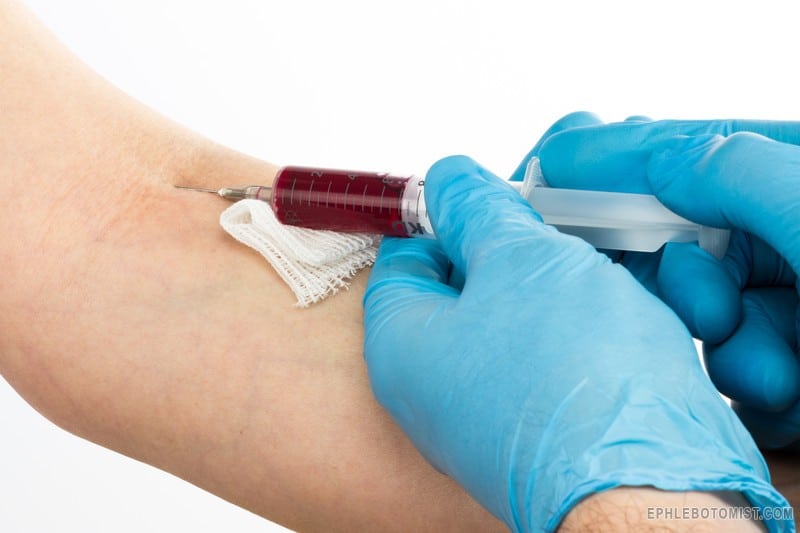
Mastering the Art of Phlebotomy: Essential Tips for Successful Blood Draws
Phlebotomy is more than just a clinical skill; it’s an art that blends precision, technique, and patient interaction. For professionals in healthcare, mastering this essential skill is imperative for providing high-quality care. In this article, we will explore tips and strategies to enhance your blood draw success rate, making your phlebotomy practice both efficient and compassionate.
Understanding Phlebotomy
Phlebotomy is the practice of drawing blood from a patient’s body for various purposes, including medical testing, blood donations, and research. It requires not only expertise but also an understanding of human anatomy and proper aseptic techniques. Below are some key highlights about phlebotomy:
- Importance: Blood tests are vital for diagnosing diseases.
- Skills Required: Excellent hand-eye coordination, empathy, and communication.
- Sterility: Maintaining a sterile environment to prevent infections.
Benefits of Mastering Phlebotomy
Improving your phlebotomy skills has significant benefits for both healthcare professionals and patients. Here are some key advantages:
- **Increased Accuracy:** Reduces the chances of failed blood draws.
- **Enhanced Patient Comfort:** Builds trust and alleviates anxiety.
- **Better Workflow Efficiency:** Facilitates quicker and smoother procedures.
Essential Tips for Successful Blood Draws
1. Preparation is Key
Before any blood draw, proper preparation is essential. This includes:
- Collecting necessary materials (vacutainers, needles, alcohol wipes).
- Ensuring all equipment is sterile and within reach.
- Reviewing patient history to identify potential complications.
2. Creating a Comfortable Environment
The patient’s comfort can greatly influence the success of a blood draw. Consider the following:
- Choose a quiet and private space.
- Engage with the patient using a friendly tone and reassure them.
- Allow the patient to lie down if they are anxious or have a history of fainting.
3. Choosing the Right Site
Selecting the appropriate venipuncture site is crucial. The following areas are commonly used:
- Median Cubital Vein: Located in the inner elbow, it’s the most commonly used vein.
- Cephalic Vein: Located on the outer arm, it’s ideal for overweight patients.
- Basilic Vein: It’s close to arteries and nerves but can be used in trained hands.
| Vein Type | Advantages | Disadvantages |
|---|---|---|
| Median Cubital | Easy access, most visible | May have a large artery nearby |
| Cephalic | Accessible, good for larger draws | Can be difficult to palpate |
| Basilic | Useful in tough draws | Closest to nerves and arteries |
4. Mastering Technique
Technique is everything in phlebotomy. Here are some essential techniques to consider:
- **Anchor the vein:** Hold the skin taut to stabilize the vein during insertion.
- **Insert at the correct angle:** Generally, a 15-30 degree angle is optimal for most veins.
- **Use proper vacuum techniques:** Ensure the blood is flowing without excessive suction.
5. Communicating Throughout the Process
Effective communication can make the procedure easier and less intimidating for patients:
- Explain each step before you perform it.
- Check in with the patient to ensure their comfort during the draw.
- After the procedure, apply pressure and inform patients about aftercare.
First-Hand Experiences: Success Stories in Phlebotomy
Many phlebotomists have stories that highlight the importance of mastering this skill. Here’s an example:
Jane, a seasoned phlebotomist, recalls a time when she had to draw blood from a young child who was terrified of needles. By taking the time to explain the process and allowing the child to ask questions, she was able to calm the child down. Jane used a butterfly needle for a smaller gauge, which made the procedure almost painless. The child left with a sticker and a smile, reinforcing the importance of compassion in phlebotomy.
Case Studies: The Impact of Skilled Phlebotomy
Studies have shown that skilled phlebotomists significantly improve patient satisfaction and reduce complications. For example:
- **Case Study A:** In a hospital setting, trained phlebotomists reduced hematoma formation by 30% through proper technique.
- **Case Study B:** An urgent care clinic found that effective communication before the draw increased patient satisfaction scores by 40%.
Conclusion
Mastering the art of phlebotomy involves more than just technical skills; it requires preparation, communication, and a genuine concern for patient comfort. By implementing the tips outlined in this article, healthcare professionals can improve their blood draw success rate and provide exceptional care to their patients. Remember, phlebotomy is a blend of science and compassion—a skill worth mastering. Whether you are just starting out or looking to refine your techniques, continuous learning and practice are essential for excellence in phlebotomy.