Title: 5 Exciting Places Where Phlebotomists Can Work: Exploring Career Opportunities in Healthcare
Meta Title: Explore 5 Exciting Places for Phlebotomists to Work in Healthcare
Meta Description: Discover the top 5 exciting places where phlebotomists can work, from hospitals to research labs, and explore the diverse career opportunities available in the healthcare industry.
Introduction:
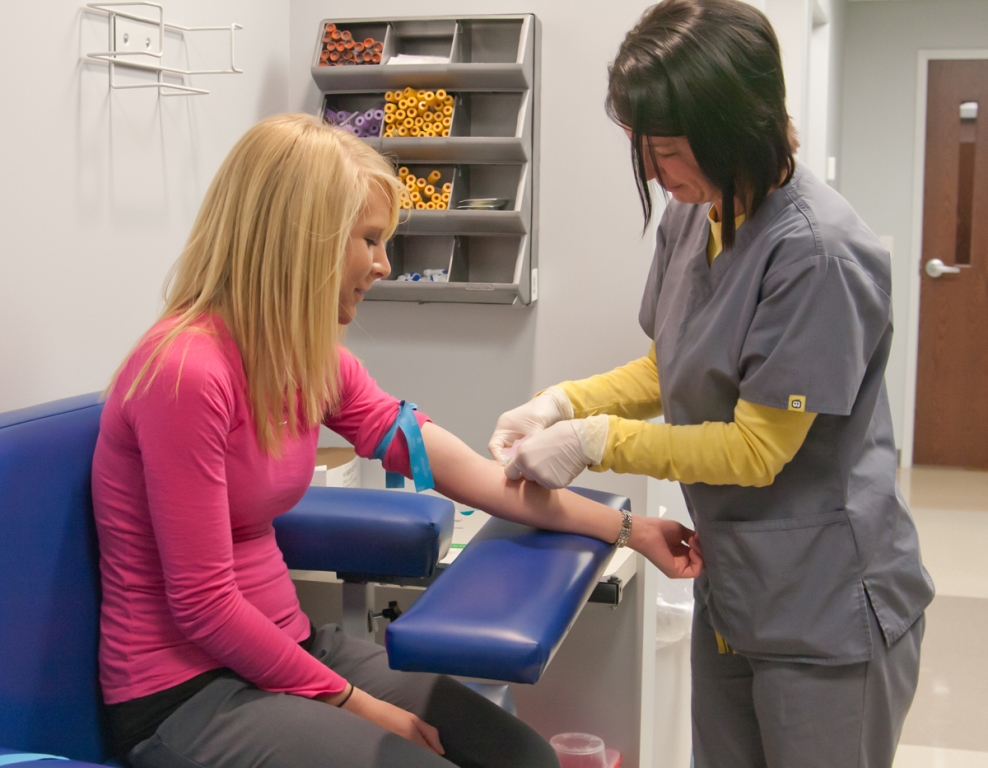
Phlebotomists play a crucial role in the healthcare industry by collecting blood samples for medical testing, transfusions, research, and donation. If you are considering a career as a phlebotomist, you will be pleased to know that there are a variety of exciting places where you can work. From hospitals to diagnostic laboratories, phlebotomists are in demand across various healthcare settings. In this article, we will explore the top 5 places where phlebotomists can work and the diverse career opportunities available in the field.
1. Hospitals:
Hospitals are the most common workplaces for phlebotomists. In hospitals, phlebotomists work in various departments, including the emergency room, outpatient clinics, and inpatient units. They collect blood samples from patients of all ages, including infants, children, and adults. Phlebotomists in hospitals may have the opportunity to work in specialized areas such as oncology, cardiology, or neurology, providing a diverse and dynamic work environment.
2. Diagnostic Laboratories:
Diagnostic laboratories are another popular workplace for phlebotomists. In these settings, phlebotomists collect blood samples from patients and ensure that they are properly labeled and stored for testing. Phlebotomists may work with a variety of medical professionals, including laboratory technicians, pathologists, and healthcare providers, to ensure accurate and timely test results for patients.
3. Blood Donation Centers:
Blood donation centers are dedicated to collecting blood donations from volunteer donors. Phlebotomists play a vital role in this process by collecting blood samples from donors, ensuring their comfort and safety during the donation process. Working in a blood donation center allows phlebotomists to interact with donors from diverse backgrounds and make a meaningful contribution to public health.
4. Research Labs:
Phlebotomists may also work in research laboratories, where they collect blood samples for scientific studies and clinical trials. In research labs, phlebotomists may work closely with researchers, physicians, and other healthcare professionals to collect and analyze blood samples for various research projects. This is a unique opportunity for phlebotomists to be involved in cutting-edge research and contribute to advancements in medical science.
5. Mobile Phlebotomy Services:
Mobile phlebotomy services are a convenient option for patients who are unable to visit a healthcare facility for blood sample collection. Phlebotomists who work in mobile services travel to patients’ homes, nursing homes, or other locations to collect blood samples. This provides flexibility for both patients and healthcare providers and allows phlebotomists to work independently or as part of a mobile phlebotomy team.
Conclusion:
Phlebotomists have a wide range of career opportunities in the healthcare industry, with diverse workplaces ranging from hospitals and diagnostic labs to blood donation centers and research labs. Whether you prefer working in a fast-paced hospital environment or conducting research in a laboratory setting, there is a place for you as a phlebotomist. Consider exploring these exciting career opportunities and find the perfect workplace that aligns with your interests and career goals in healthcare.